

Te Angie Station
Wongwibinda, New England NSW
A large-scale New England asset with the ingredients to build a high-output beef production system. Carrying capacity is estimated at 1,100 to 1,200 cows and calves, on country the vendor reports lifted from about 0.6 to 1.75 AE per hectare year round.
Terms of sale
- Offered
- Preferably as one holding separate sale may be considered
- Closing date
- 5.00pm AEDT, unless sold prior
Te Angie and Forest Lodge are currently operated as a complementary production enterprise. While the Vendors’ preference is to consider the properties as an integrated holding, consideration may be given to the sale of the properties separately, subject to suitable terms and conditions. The Vendors reserve the right to consider and accept a suitable offer prior to the EOI closing date.
- Carrying capacity
- 1,100 to 1,200 cows & calves
- Pasture response
- 0.6 → 1.75 AE/ha year round, on developed country
- Improved pasture
- 728 ha of 2,816
- Paddocks
- 48
- Water
- Three permanent creeks, troughs in 13 paddocks
- Improvements
- 6 bed homestead, two cottages, steel yards
- Elevation
- 1,000–1,250 m
- Ebor
- 30 km E
- Guyra
- 50 km W
- Dorrigo
- 80 km E
- Armidale
- 65 km SW
- Saleyards
- Armidale and Guyra to the west, Grafton and Dorrigo to the east. Tamworth, Gunnedah and Inverell further west again.
- Feedlots
- Rangers Valley at Glen Innes, Caroona and Killara near Quirindi.
- Processors
- Bindaree Beef at Inverell, JBS Scone, Thomas Foods at Tamworth, and Casino and Wingham on the coast.

Progeny bred here are backgrounded at Forest Lodge, about 12 kilometres away, through to export feeder weights.
Forest Lodge, 1,435 ha →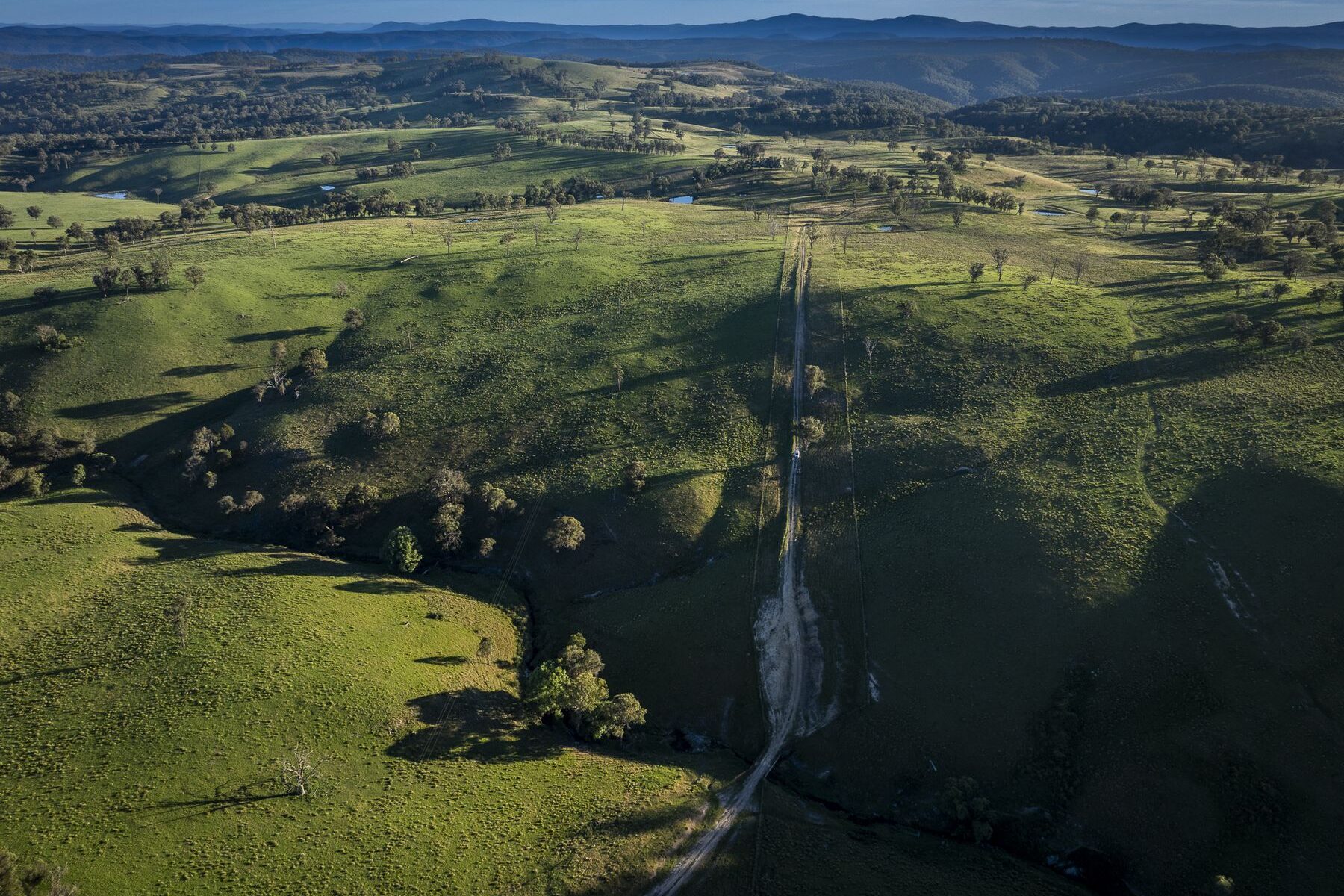
2,816 hectares of grey loam to trap soils with basalt caps that lift fertility and pasture response. About 587 hectares is undeveloped forest country. The country carries the Te Angie Poll Hereford stud, whose Turbo T004 was Champion of Champions and Grand Champion Hereford Bull at the 2025 Ekka, alongside a former prime lamb enterprise — which is the history behind the woolshed and the sheep yards.
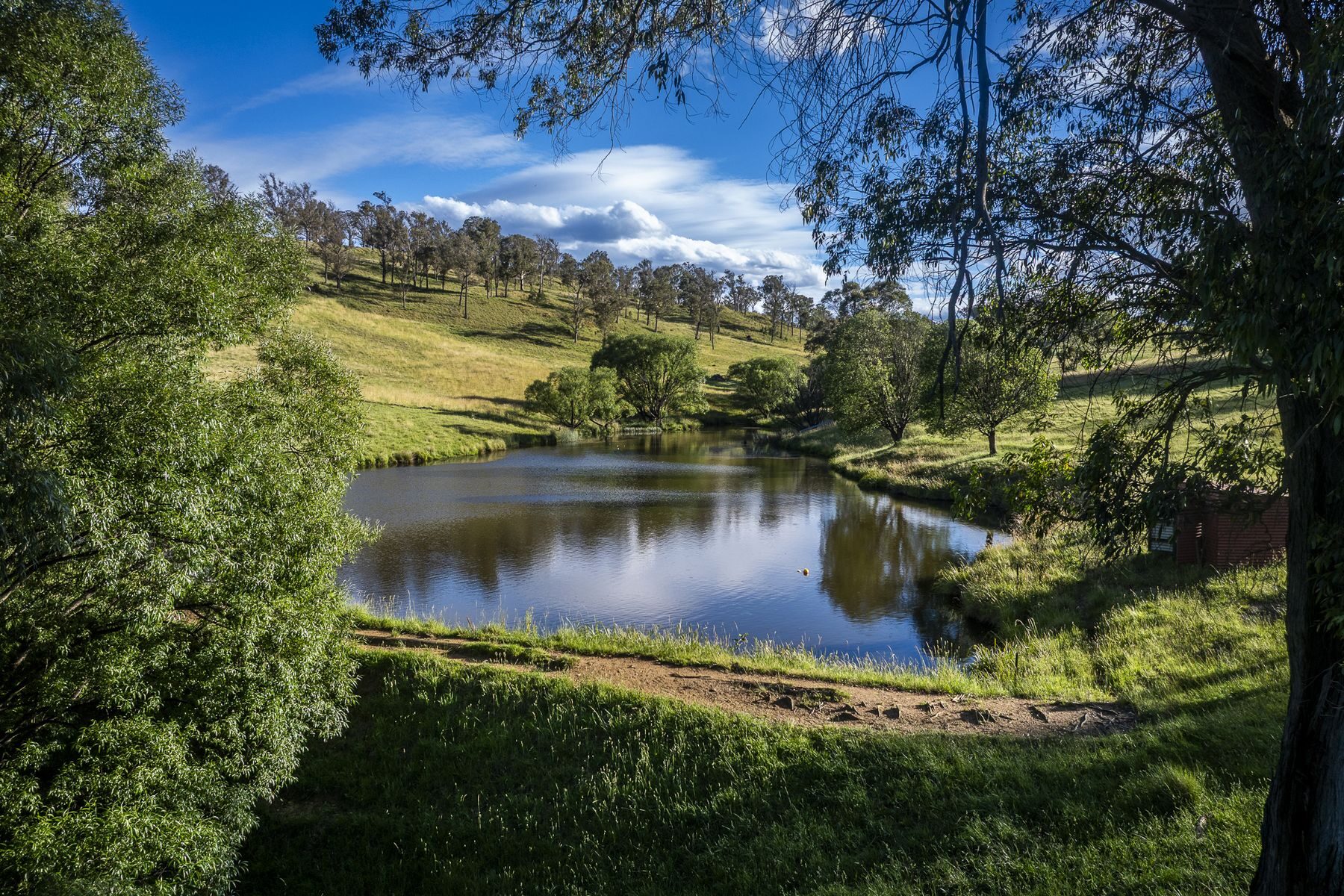
The property has frontage to three permanent creek systems — Fishington, Three Mile and Copes — backed by a trough scheme feeding 13 paddocks. Most paddocks carry two to three dams as well, on a reliable 910mm average rainfall.
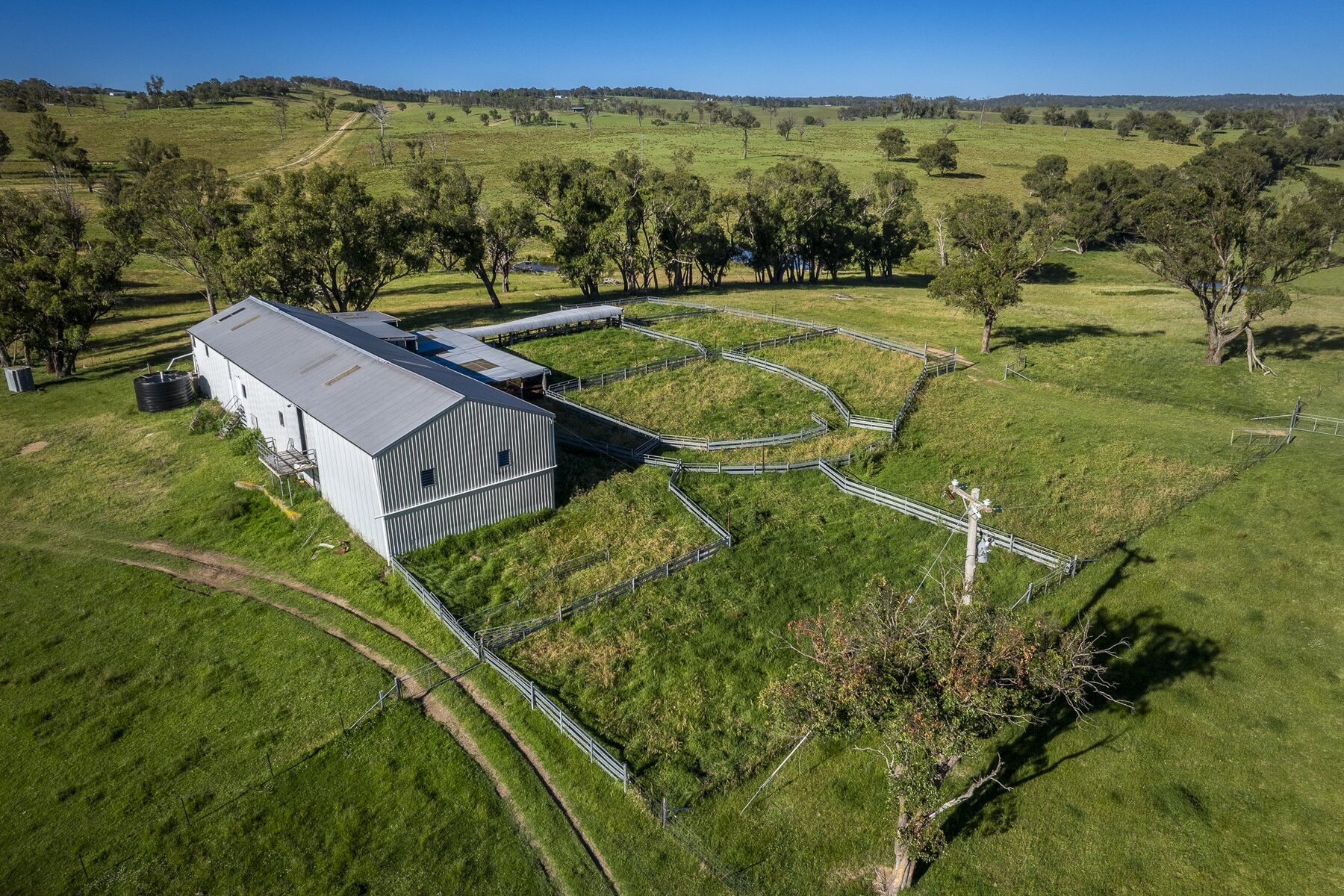
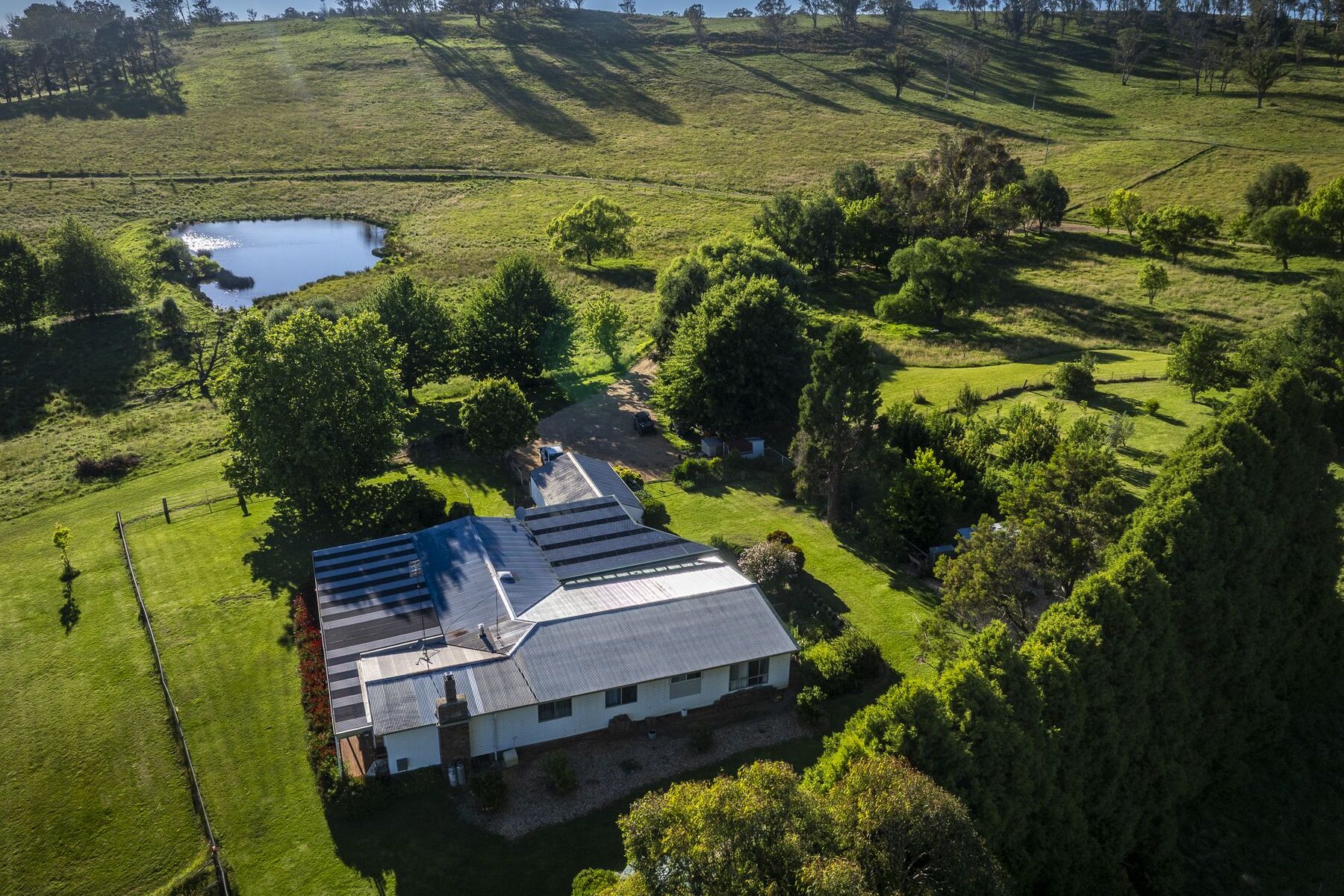
A six bedroom homestead, a renovated three bedroom workers cottage and the original four bedroom homestead. Semi-covered Pratley steel cattle yards with crush, scales and B-Double loading, a machinery shed and workshop, and a four stand electric woolshed with sheep yards and an undercover drenching race. Roughly 48 paddocks.
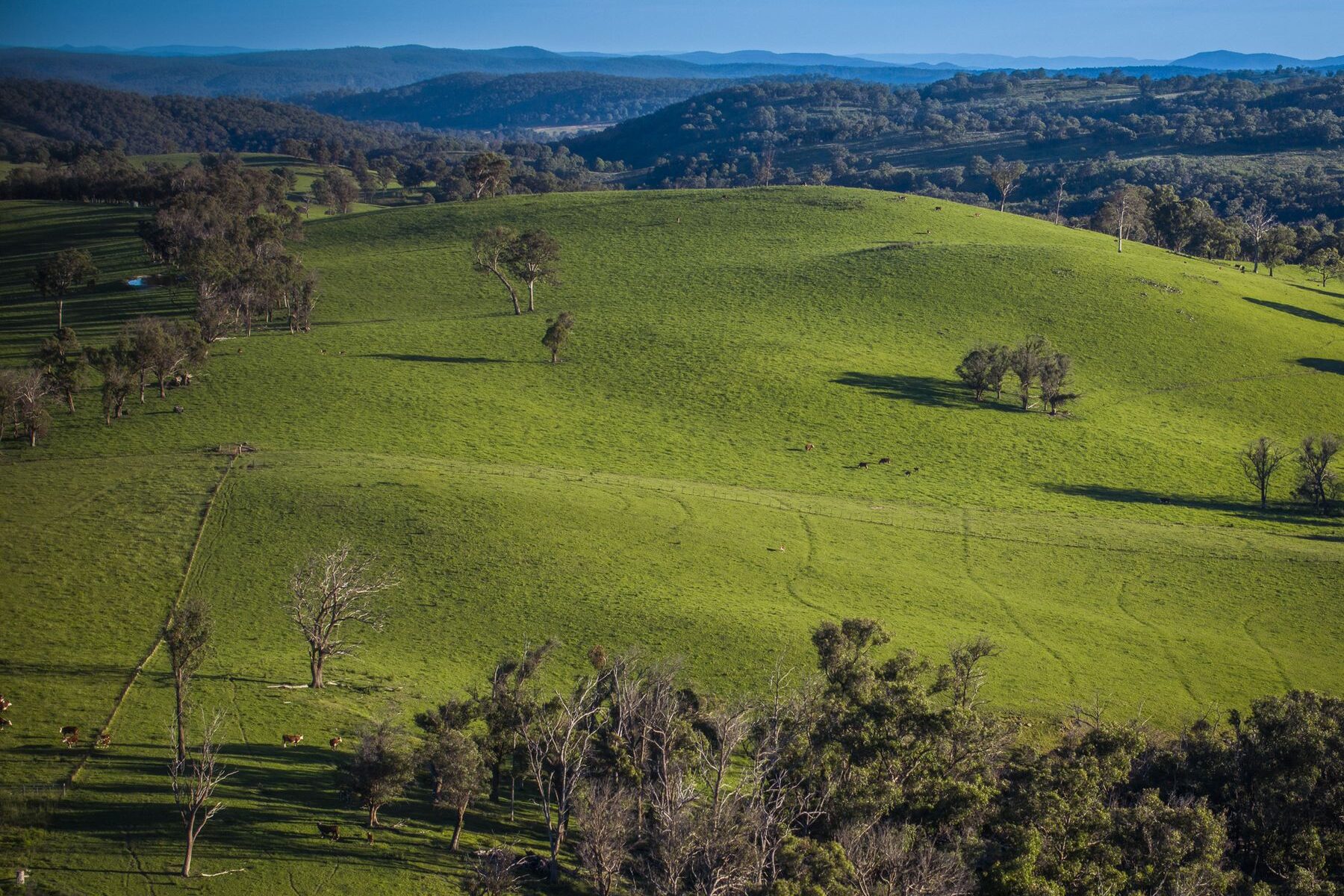
About 728 hectares is recently improved pasture — fescue, cocksfoot, prairie grass, plantain and red and white clovers — backed by about 150kg per hectare of fertiliser a year, and there's room for a lot more. Weaning weights off improved country are reported up to 100kg ahead of the rest, and silage has cut well here, which opens a more controlled feed base.
The country doesn't dictate one future
It isn't simply about how many hectares are on offer. It's about the production system those hectares can support — and none of these would need the place re-engineered to get started.
Run the breeding herd the country already carries, at 1,100 to 1,200 cows and calves.
Hold progeny through to feeder weights rather than selling them off the cow.
Carry cattle further on improved country with a demonstrated pasture response.
Silage has cut well here. Build a conserved feed base and take some of the season out of the equation.
Use the scale and the water to take cattle on when the market suits.
Connect the land, water, feed and cattle into one production system.
The development and production opportunities outlined are the views of PBS Rural Assets based on information available at the time. Prospective purchasers should undertake their own independent due diligence and satisfy themselves as to all aspects of the properties and their future production potential.
There's a good deal more to this place
What's above is the short version. The Information Memorandum is the document a serious buyer works from, and we will send it straight to you.
- Paddock by paddock maps with areas, laneways, dams and troughs
- Soil types, pasture species and the full fertiliser history
- Water infrastructure, the dams and the trough reticulation scheme
- Fencing, yards, sheds and accommodation in detail
- Production history, stocking rates and weaning weights
- Climate and rainfall records, and the local saleyards, feedlots and processors
Coming soonThe full Information Memorandum is being finalised. Register now and we will send it to you the day it is ready.
 Rural Assets
proudly by Premium Bovine Solutions
Rural Assets
proudly by Premium Bovine Solutions
Book an inspection
Pick a day that suits and we'll confirm it with you.
Maps, production history, water, infrastructure and the sale terms. Register now and we will send it the day it is ready.
The views expressed by PBS Rural Assets regarding the property's development and production potential are observations based on information available to us and are not representations or guarantees of future performance. All prospective purchasers should undertake their own independent investigations and satisfy themselves as to the property's land, water, production capacity, infrastructure, planning, environmental, financial and other relevant matters before proceeding.
Register for the Information Memorandum
The Information Memorandum is being finalised. Leave your name and email and we will send it to you the day it is ready.